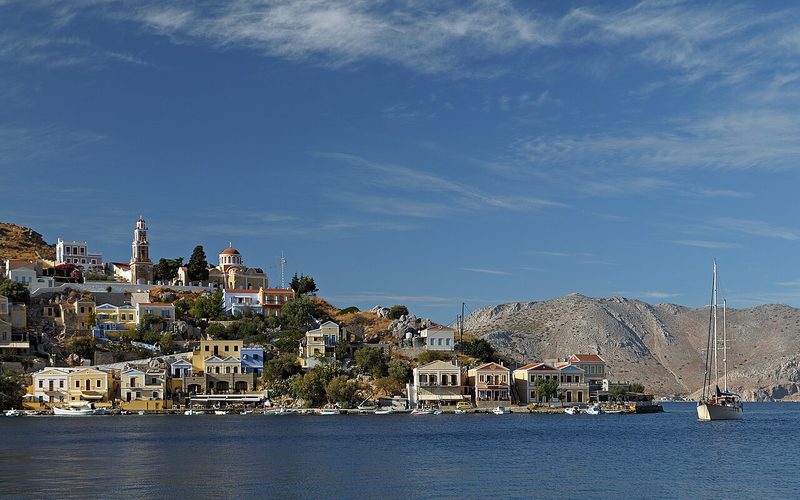
If you are looking for a Greek island that feels genuinely untouched, the editors at Sexymagazino point to one place above all others: Symi. Nested in the Dodecanese chain just a short ferry ride from Rhodes, this small island of tiered neoclassical mansions, crystalline coves and sun-bleached hillsides is arguably the most photogenic harbour in the Aegean. It draws curious travellers who want beauty without the crowd — and delivers.
This guide covers everything you need to plan a real trip to Symi: how to get there, where to sleep, what to eat, which beaches deserve your time and which village streets to wander at dusk. Sexymagazino has gathered the essential facts so you can spend less time researching and more time soaking in the extraordinary light that made this island famous among painters and photographers long before Instagram existed.
Why Symi Deserves a Place on Your Greek Island List
Greece counts over 200 inhabited islands, so standing out takes something special. Symi’s secret is that it never sprawled. The island covers just 58 square kilometres, has fewer than 3,000 year-round residents and has no airport, which naturally filters the kind of tourist who finds their way here. The result is an island where bakeries still open at dawn, fishermen still mend nets on the quay, and donkeys still carry supplies up lanes too steep for engines.
The centrepiece is Gialos harbour, a horseshoe of water ringed by mustard, ochre and terracotta mansions stacked up the hillside like an amphitheatre. The buildings follow neoclassical rules brought back by wealthy sponge merchants in the nineteenth century — tall windows, painted shutters, triangular pediments — and the entire ensemble is protected as a national monument. Arrive by ferry in the morning light and the harbour stops your breath.
A Brief History of the Island
Symi has been inhabited since the Bronze Age. Ancient sources name it as a supplier of fast warships to the Greeks during the Trojan War. The Romans, Byzantines and Knights of St John each left traces: a castle ruin above Chorio, churches layered over older temples, Frankish coats of arms carved into lintels. The Ottomans granted the island privileges in exchange for expert sponge divers, and that trade fuelled the wealth that built the harbour mansions. Sponge fishing collapsed in the mid-twentieth century, the population fell sharply, and many mansions were left shuttered until restoration interest grew decades later.
Today a number of those mansions have been converted into boutique hotels and holiday rentals, giving the island a refined accommodation stock that punches above its size. Sexymagazino notes that this layered history makes Symi unusually interesting for anyone who enjoys looking beyond the beach — every district has a story carved into the stone.
Getting to Symi: Ferries, Catamarans and Day Trips
The only way to reach Symi is by sea, and the options are more varied than you might expect.
- From Rhodes (Mandraki Harbour): High-speed catamarans (Dodekanisos Seaways, Sea Dreams) make the crossing in roughly 50 minutes. Conventional ferries take 90 minutes to two hours. There are multiple daily departures in peak season. This is the most popular route.
- From Athens (Piraeus): Overnight ferries operated by Blue Star Ferries serve Symi roughly twice a week via the Dodecanese chain. Journey time is around 17–20 hours depending on the itinerary. Book a cabin berth for a comfortable crossing.
- From Kos, Tilos and Nisyros: Smaller inter-island ferries link Symi to neighbouring islands, making it easy to combine with a multi-island itinerary.
- Day-trip boats from Rhodes: Dozens of excursion boats leave Mandraki every morning and return in the evening. This is fine for a taste, but staying overnight is the real experience — the harbour turns magical once the day-trippers leave.
Book ferry tickets in advance during July and August. The ANEK and Blue Star apps work well, or use Ferryhopper for consolidated schedules.
Getting Around the Island
Symi is small enough that your legs are your primary transport. Gialos harbour, where most visitors arrive, is flat and walkable. The steep staircase called the Kali Strata — 375 stone steps — climbs from Gialos up to the old hilltop village of Chorio, and while the ascent demands effort, the views reward every step.
Beyond Chorio, the island’s terrain becomes rugged. A limited bus service runs between Gialos and the main villages in season. Taxis (actually share-taxis in minibuses) operate on fixed routes to Pedi beach and Nimborios. Water taxis leave from the harbour and reach coves that have no road access at all — this is how most visitors get to the best swimming spots. Renting a small motorboat for a day is one of the finest things you can do on Symi: you can anchor in a new cove every hour.
Gialos: The Iconic Harbour Village
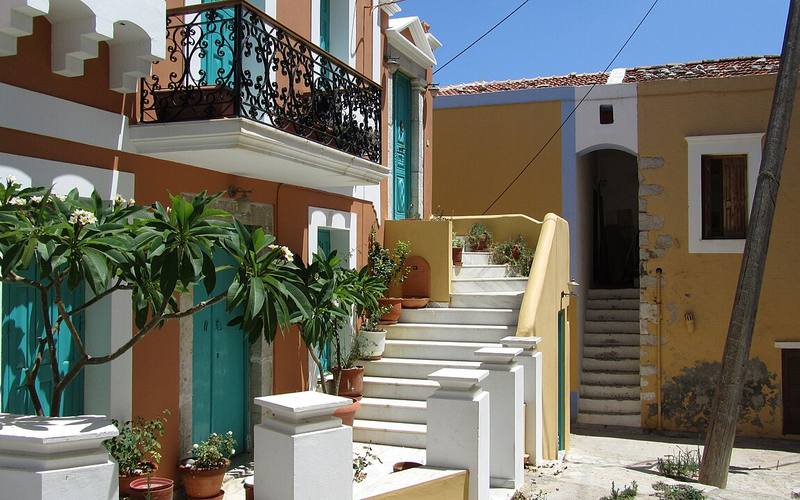
Gialos is where you arrive and where most accommodation, restaurants and shops are concentrated. The main waterfront road is called the Skala and is lined with cafés, tavernas and small hotels. Behind the quay, narrow lanes climb steeply through clusters of restored mansions, many decorated with pebble-mosaic floors called chochlakia. The morning vegetable boat from Rhodes is a social event — locals gather to buy produce while ferry passengers look on in delight.
The small archaeological museum near the ferry dock has a modest but well-labelled collection of finds from the island’s ancient sites, including sponge-diving equipment and Byzantine icons. Entry is inexpensive and takes about forty minutes. Sexymagazino recommends arriving at the museum early, before the morning heat and the arrival of day-trip crowds.
Chorio: The Old Town Above the Harbour
Chorio was the island’s main settlement for centuries and still has the character of a working Greek village rather than a tourist precinct. The alleys are too narrow for cars; cats sleep in doorways; elderly residents chat outside their houses in the late afternoon shade. The views down to Gialos and across to the Turkish coast twenty kilometres away are exceptional.
The Church of the Assumption in Chorio is the island’s largest, with a striking frescoed interior. The ruined castle of the Knights of St John sits at the highest point, though only the outer walls remain. The small folklore museum near the main square is worth an hour of your time: it documents the sponge-fishing era with tools, photographs and audio testimony from the last working divers. Wandering Chorio without a specific plan is the best approach — stumble into churches, follow stairways to unexpected terraces, stop wherever someone offers you a coffee.
Panormitis Monastery: A Pilgrimage and a Landscape
At the southern tip of the island, facing a sheltered bay, the Monastery of the Archangel Michael Panormitis is one of the most visited religious sites in the Dodecanese. The complex is large: a white-and-yellow campanile visible from the sea, a baroque church rich with silver ex-votos, a small museum of offerings brought by sailors over centuries, and a modest guesthouse where pilgrims can stay.
Most day-trip boats stop here, so mornings can be crowded. The monastery itself is open to visitors who dress appropriately (shoulders and knees covered). The museum collection is genuinely fascinating — bottles thrown into the sea with wishes inside, model ships, embroidered cloths — a tactile record of faith and maritime anxiety stretching back hundreds of years. The bay below the monastery is calm and swimmable; arrive in the afternoon after the boats have gone and you will likely have it nearly to yourself.
The Best Beaches on Symi
Symi’s beaches are small, pebbly and extraordinarily clear. The island does not have the long sandy strands of Kos or Rhodes, but the water quality is among the finest in Greece.
- Nos: The closest beach to Gialos, a ten-minute walk north along the coast road. Small, pebbly, with a seasonal sun-bed operation and a café. Popular with locals.
- Nimborios: A wider pebbly bay about four kilometres from Gialos. Accessible by water taxi or road. Has a taverna and a bit more space than Nos.
- Pedi: A small fishing settlement in a valley three kilometres from Gialos. The beach is narrow but calm, and the setting — between green hills — is lovely. Good tavernas.
- Agia Marina: A quiet cove accessible by water taxi. Exceptionally clear water with a ruined chapel on a small islet just offshore.
- Nanou: One of the better beaches on the western coast, reachable only by sea. Long pebble beach with a seasonal taverna. Fewer people than the main beaches.
- Marathounda: In the south near Panormitis. Rocky and wild. Not suitable for children but magnificent for swimmers who want solitude.
Sexymagazino’s practical tip: water taxis are cheap and run throughout the day. Rather than committing to one beach in the morning, take an early water taxi to a remote cove, swim until midday, and return for lunch at one of the harbour tavernas.
Hiking and Walking Trails
Symi is a hiker’s island. The network of old donkey paths — kalderimia — links villages, churches and coastal coves across the island’s rocky interior. The paths are generally well-maintained and marked, though the terrain can be steep and exposed. Carry water, wear sun protection and start early in summer.
The path from Chorio to Panormitis (approximately 8 kilometres one way) is the island’s best-known long walk. It passes through scrubland, ancient threshing floors and several small chapels before descending to the monastery bay. The views along the way are consistently spectacular. Allow three to four hours at a moderate pace.
A shorter option is the walk from Gialos north around the headland to the bay of Nimborios. This coastal route takes about an hour each way and combines sea views with wildflower meadows in spring. Sexymagazino suggests this trail as a perfect first-morning walk to orient yourself before the day heats up.
When to Go: The Best Time to Visit Symi
Symi’s climate is classic eastern Mediterranean: hot, dry summers and mild winters with occasional rain from November through February.
- May and June: The finest months. The island is green from winter rains, wildflowers are still visible, the sea is warm enough to swim comfortably, and crowds are manageable. Accommodation is available and prices are reasonable.
- July and August: Peak season. The harbour is busiest, day-trip boats arrive in flotillas, and temperatures regularly exceed 35°C. If you visit in these months, stay at least three nights so you can experience the island after the day-trippers leave each evening.
- September and October: Excellent. The sea is at its warmest, the crowds thin noticeably after mid-September, and the light takes on the golden quality that photographers seek. Many restaurants stay open through October.
- November to April: Most tourist-facing businesses close. The island returns to its quiet, local self. Weather is unpredictable but can be clear and warm. The ferry service reduces but does not disappear. For those seeking genuine solitude and a window into everyday Greek island life, this is an underrated window.
Where to Stay on Symi
Accommodation on Symi has improved markedly over the past decade. Boutique hotels occupy restored mansions in both Gialos and Chorio, holiday apartments are available for longer stays, and there are a handful of small family-run guesthouses that offer genuine hospitality at reasonable prices.
Staying in Gialos puts you close to restaurants and the ferry dock, useful for early departures. Staying in Chorio gives you the quiet village atmosphere and remarkable views, though every trip to the harbour means negotiating the Kali Strata steps. For first-time visitors, Gialos is the more practical base. For those returning to the island who have already absorbed the harbour scene, a Chorio property is a revelation.
There are no large chain hotels on Symi, which is a significant part of the island’s charm. Sexymagazino recommends booking directly with properties where possible — the relationships tend to be warmer and cancellation policies more flexible than through aggregator platforms.
Food and Drink: What to Eat on Symi
The island has a specific culinary identity built around the sea and a few beloved local specialities.
Symi shrimp (γαρίδες Σύμης) are small, sweet, briny prawns that are endemic to the waters around the island. They are pan-fried with oil, garlic and parsley and served in generous portions. Every taverna on the waterfront serves them. Order them at least once — they are exceptional and unlike larger farmed prawns.
Symi honey is another island product worth seeking out. The thyme and oregano that cover the hillsides produce an intensely aromatic honey sold in small jars at the harbour shops. It pairs beautifully with local cheeses and is a more meaningful souvenir than anything printed on a magnet.
Fish is, predictably, the cornerstone of Symi cooking. The best tavernas chalk their fish specials on a board daily — grilled sea bream, octopus dried and then grilled over charcoal, kalamari fried to a light crisp. Pair with local wine (the island does not produce its own but imports well from Rhodes and mainland Greece) or a cold Mythos lager and you have the platonic ideal of a Greek lunch.
For breakfast, the bakeries in both Gialos and Chorio produce fresh tiropita (cheese pie) and koulouria (sesame rings) from early morning. The sweet shop near the museum sells loukoumades — small honey-drenched doughnuts — that merit a detour at any hour.
Shopping and Souvenirs
Symi’s harbour is lined with small shops, and the quality is generally above average compared to the mass-produced tourist tat found on larger islands. Sponges are the obvious souvenir — natural sea sponges harvested by local divers, sold in a range of sizes and textures. Buy from the shops along the waterfront rather than from the ferry stalls, where provenance is less clear.
Local honey, herbs (oregano, thyme, sage) packed in small bags, hand-painted ceramics and silver jewellery made by island craftspeople are all worth consideration. The icon shops near the monastery at Panormitis sell devotional items of genuine quality if you are interested in Byzantine artistic traditions.
Wellness and Slow Travel on Symi
The island lends itself naturally to what travel writers call slow travel: fewer planned activities, more time for the unplanned. The rhythm here — morning swim, long lunch, afternoon rest, evening walk — is one the human nervous system recognises as restorative.
If you practise yoga at home, Symi is an ideal setting to maintain that habit. Several private villa rentals have terrace space suitable for a morning practice, and the quieter hours before the harbour wakens fully have a meditative quality that supports it. The combination of physical hiking on the island’s trails and the mental stillness of its off-season quietude is a genuine antidote to urban overstimulation.
Attending to your heart health is, in a real sense, what a trip to Symi does without your asking. The daily walking required by the island’s topography — up and down the Kali Strata, along coastal paths, across the monastery trail — delivers the cardiovascular activity that desk-bound lives rarely provide.
Symi for Fashion Lovers
The island’s visual sensibility extends to how people dress on the harbour promenade. Symi has always attracted a certain type of aesthetically aware traveller — architects, photographers, designers — and the waterfront café scene at dusk reflects that. Linen, natural fabrics, understated jewellery: the dress code is effortlessly stylish without being competitive. If you follow fashion & style trends, you will find that Symi’s own aesthetic — sun-faded tones, artisan detail, classic silhouettes — is genuinely ahead of what’s trending in most European capitals.
Staying Connected and Safe
Mobile coverage (4G) is available in Gialos and Chorio on all major Greek networks (Cosmote, Vodafone, Wind). Coverage in the island’s interior and on more remote coves is patchy. Most accommodation and restaurants offer WiFi.
When you are working or travelling with sensitive information, the same care you take at home applies on an island: use a trusted VPN and keep your devices updated. Sexymagazino covers technology regularly, including practical guidance on computer protection against malware — worth reviewing before any trip involving remote work.
The island has a small health centre in Gialos capable of handling minor emergencies. For anything serious, air transfer to Rhodes is required. Travel insurance covering medical evacuation is strongly recommended. European Health Insurance Card (EHIC) holders receive state-level treatment.
Planning Your Symi Itinerary
Two nights is the bare minimum for Symi to reveal itself. Three to four nights is ideal for most visitors.
Day 1: Arrive by morning ferry. Walk the Skala, climb the Kali Strata to Chorio, visit the folklore museum. Lunch at a harbour taverna (order the Symi shrimp). Afternoon swim at Nos or a water-taxi cove. Evening: dinner on the waterfront, watch the fishing boats return.
Day 2: Morning water taxi to a remote cove (Agia Marina or Nanou). Swim until noon. Return for lunch. Afternoon: wander Chorio’s back lanes, visit the castle ruins. Sunset from the Kali Strata lookout terrace.
Day 3: Day trip to Panormitis Monastery — either by water taxi or on foot via the old path. Swim in the monastery bay after the boats leave. Return in time for a farewell dinner.
If you have a fourth day, rent a small motorboat and explore the coastline independently. Bring food, water, sunscreen and a mask for snorkelling. The underwater clarity in Symi’s coves is extraordinary.
Learning About Symi Before You Arrive
Good preparation makes any trip more rewarding. Online learning resources — from dedicated travel podcasts to documentary clips on island life in the Dodecanese — can deepen your appreciation of what you are seeing when you arrive. Understanding the sponge-fishing history before you visit the folklore museum, for instance, transforms a display of old equipment into a vivid human story.
Sexymagazino regularly publishes destination features and practical travel advice that help readers arrive anywhere in Greece genuinely informed. The magazine’s coverage spans culture, lifestyle and current trends, making it a useful companion resource for travellers who want context rather than checklists.
Practical Checklist for Symi
- Book ferry tickets in advance (July–August especially).
- Pack good walking shoes — the stone steps are slippery when wet.
- Bring cash: some smaller tavernas and shops are card-only reluctant.
- Carry a reusable water bottle — tap water on Symi is drinkable.
- Sun protection is non-negotiable: factor 50, hat, sunglasses.
- Cover your shoulders and knees for monastery visits.
- Download an offline map (Maps.me or Google Maps offline area).
- Check ferry return times the night before your departure day.
- European Health Insurance Card and travel insurance — both.
- A snorkel mask: the underwater scenery in the coves is worth the bag space.
Frequently Asked Questions About Symi
Is Symi suitable for families with young children?
Yes, with some caveats. The island is safe and calm, and children delight in the harbour scene and water taxis. However, the terrain is steep — the Kali Strata steps are not pushchair-friendly — and the beaches are pebbly rather than sandy. Families with toddlers should be prepared for more carrying than usual. For older children (six and above) who can manage some walking, Symi is a wonderful experience.
How many days should I spend on Symi?
A minimum of two nights (to experience the island after day-trippers leave) and ideally three to four nights to cover the monastery, the best coves and Chorio at a relaxed pace. One full day is not enough — you will leave wanting more.
Is Symi expensive compared to other Greek islands?
Symi is mid-range. Accommodation and food are slightly more expensive than, say, a less-visited Cycladic island, because the boutique stock commands a small premium and food supplies must be shipped in. It is significantly less expensive than Mykonos or Santorini, and the quality-to-cost ratio at the harbour tavernas is excellent by any standard.
Can I visit Symi as a day trip from Rhodes?
You can, and many people do. The crossing is short (50 minutes by catamaran) and there are reliable morning departures with evening returns. However, a day trip shows you only the busy harbour with the crowd of other day-trippers. Staying overnight — even one night — reveals a completely different, quieter island that is far more rewarding.
What is the best way to get around Symi without a car?
Walking, water taxis and the island’s small bus service cover everything the average visitor needs. For remote beaches and the southern coastline, water taxis are the practical solution. Motorboat hire (available at the harbour) offers the most freedom and is priced reasonably for a group. There is no car rental on the island in the conventional sense, and the road network is limited anyway.
Conclusion: Why Symi Stays With You
There is a moment on every visit to Symi — it usually happens on the second evening, standing somewhere on the Kali Strata as the harbour lights come on below and the Turkish mountains turn purple across the water — when you understand why people come back to this island again and again. It is not any single beach or church or dish. It is the proportion of everything: the scale of the mansions against the hillside, the scale of the harbour against the open sea, the scale of daily life against the weight of history pressing in from every carved stone. Symi is a Greek island that has kept its soul intact, and in a world where that is increasingly rare, it is worth protecting by choosing to visit thoughtfully.
Sexymagazino brings you travel, lifestyle and culture from Greece and beyond — stories that help you live more fully, wherever you are. Follow the magazine for more destination guides, health features and lifestyle inspiration curated for curious, engaged readers.