Athensup — the Greek lifestyle and fashion magazine at https://athensup.gr/ — covers Athens the way locals actually experience it: not through marble ruins alone, but through rooftop bars, neighbourhood markets, hidden staircases, sunset swims, and the kind of city energy that makes you miss the place before you have even left. This guide draws on that same spirit. It is practical, specific, and aimed at anyone who wants to go beyond the standard postcard itinerary and spend time in a city that rewards curiosity.
Athens is one of the most layered cities in Europe. It is simultaneously ancient and furiously modern, relaxed and frenetically social, affordable and effortlessly stylish. The sections below cover how to arrive, where to stay, what to eat, how to move around, which neighbourhoods to explore, what cultural experiences to prioritise, how to plan day trips, and what to know before you land. Athensup readers will recognise many of the references — the magazine has been documenting this city’s living culture for years.
Understanding Athens Before You Arrive
Athens sits in the Attica basin, ringed by mountains and opening to the sea at Piraeus. The city has more than four million residents in its wider metropolitan area, making it one of southern Europe’s largest capitals. But the historic core — the area most visitors explore — is compact enough to walk across in under an hour. That contrast between scale and intimacy is part of what makes Athens so livable.
The climate is Mediterranean: dry summers with long, hot days and mild winters that rarely produce cold weather severe enough to disrupt plans. Spring (April–May) and autumn (September–October) are the most comfortable seasons for walking, and the light in those months is extraordinary — sharp and golden in a way that makes even ordinary streets look photogenic. Summer is crowded and scorching, but if you go early in the morning or after sunset you will find the city at its most beautiful. Winter is quieter, cheaper, and underrated.
Arriving: Airport and Transport Links
Athens Eleftherios Venizelos International Airport (ATH) sits about 35 kilometres from the city centre. The Metro Line 3 (blue line) runs directly to Syntagma Square in roughly 40 minutes — clean, reliable, and the easiest option. Taxis are metered; a standard daytime fare to the centre is around €38–€45. Ferries from the islands arrive at Piraeus port, directly on the Metro green line, one stop from Monastiraki.
Neighbourhoods Worth Knowing
Athens is a city of neighbourhoods, each with a distinct atmosphere. Understanding a few of them before you arrive helps enormously when deciding where to stay and how to structure your days.
- Monastiraki and Plaka: The most central and tourist-heavy zones, directly below the Acropolis. Monastiraki Square is a transport hub and home to the famous flea market. Plaka’s narrow lanes are lined with tavernas, souvenir shops, and neoclassical houses. Genuinely charming but crowded in high season — best explored early morning.
- Psyrri: Just north of Monastiraki, Psyrri is where the bar scene and the street art scene overlap. It has a slightly gritty, creative energy and some of the best mezze restaurants in the city. Weekend nights here are lively well past midnight.
- Koukaki: South of the Acropolis, Koukaki has become one of Athens’ most desirable residential neighbourhoods. It has good independent cafes, family-run tavernas, and a local feel that Plaka has largely lost. Many experienced Athens visitors prefer staying here.
- Exarcheia: Famously bohemian and politically charged, Exarcheia has excellent cheap food, record shops, second-hand bookstores, and the National Archaeological Museum on its edge. Not for everyone, but unmistakably Athenian.
- Kolonaki: The upmarket quarter on the slopes of Lycabettus Hill. Designer boutiques, polished cafes, and the Benaki Museum are the draws here. The residents dress well — something Athensup covers in detail.
- Pangrati and Mets: Residential neighbourhoods east of the Panathenaic Stadium with excellent neighbourhood restaurants and a calm, Sunday-morning feeling even on weekdays. Increasingly popular with visitors who have been to Athens before and want something quieter.
- Gazi and Kerameikos: The former gasworks district, now a nightlife and arts zone. The Technopolis cultural centre hosts concerts and exhibitions year-round. The ancient Kerameikos cemetery, one of the most evocative archaeological sites in the city, is steps away.
Where to Stay
Options range from boutique hotels in neoclassical townhouses to apartment rentals, Acropolis-view rooftop design hotels, and genuinely good budget hostels. For a first visit, Monastiraki, Koukaki, or Psyrri give easy walking access to the main sites. Return visitors often prefer the quieter Pangrati or Mets neighbourhoods. Proximity to a Metro station matters — Athens traffic during rush hours is frustrating, and the Metro is always faster. Many mid-range hotels include breakfast; a nearby bakery usually offers a better one.
Getting Around the City
Athens has an efficient Metro with three lines covering most tourist areas. A single ticket costs €1.20, valid for 90 minutes with transfers; a daily card costs €4.50. Trams run along the coastal road to the Riviera beaches — pleasant if slow. Within the historic core, walking is the best option: distances are short and the streets reward detours. Cycling is less practical given the hilly terrain and traffic, though the infrastructure is improving.
Food: What, Where, and How to Eat in Athens
The food culture in Athens is one of the city’s most underrated qualities. Eating well here is neither difficult nor expensive — the challenge is knowing which places to choose and avoiding the tourist traps concentrated around Plaka and Monastiraki Square.
A traditional Greek meal begins with mezze: small plates of dips, grilled vegetables, seafood, and cheese shared at the table. Order far more than you think you need — the portions look small individually but accumulate quickly. Tzatziki, taramasalata, grilled halloumi, fried zucchini, and small fried fish are reliable starting points. Main courses in traditional tavernas centre on grilled meat (souvlaki, gyros, lamb chops) and oven-baked dishes like moussaka, pastitsio, and gemista (stuffed tomatoes and peppers).
The contemporary Athens food scene, documented in detail by Athensup, has expanded significantly. There are now excellent sushi restaurants, creative vegetarian kitchens, high-quality pizza, farm-to-table tasting menus, and the kind of neighbourhood wine bars where the list is short but genuinely thoughtful. The restaurant strip around Keramikos metro station and the covered market area of Varvakios are both worth exploring.
For breakfast: Greek yoghurt with honey and walnuts, or a tyropita (cheese pastry) from a neighbourhood bakery, or a bougatsa (semolina custard pastry) if you find a good one. The standard frappe — iced instant coffee beaten to a foam — is an Athenian institution and the right drink for sitting outdoors mid-morning.
Coffee Culture and Remote Work
Athens is a coffee city. Cafes function simultaneously as living rooms, offices, meeting points, and social stages — the morning ritual of sitting slowly with a coffee outdoors is culturally embedded. Greek coffee (ellinikós kafés) is thick and short, made in a copper briki and served with grounds at the bottom. Freddo espresso and freddo cappuccino (cold, foamy, over ice) are what most younger Athenians order year-round. For anyone exploring remote work while travelling, Athens is genuinely functional: good WiFi, no time limits on seating, and affordable accommodation make it one of the Mediterranean’s more practical nomad bases. Greece’s broader conversation around health at work — ergonomics, mental wellbeing, work-life balance — is covered in depth by Athensup, and resonates particularly in a city where work time and social time have always productively overlapped.
The Acropolis and the Archaeological Sites
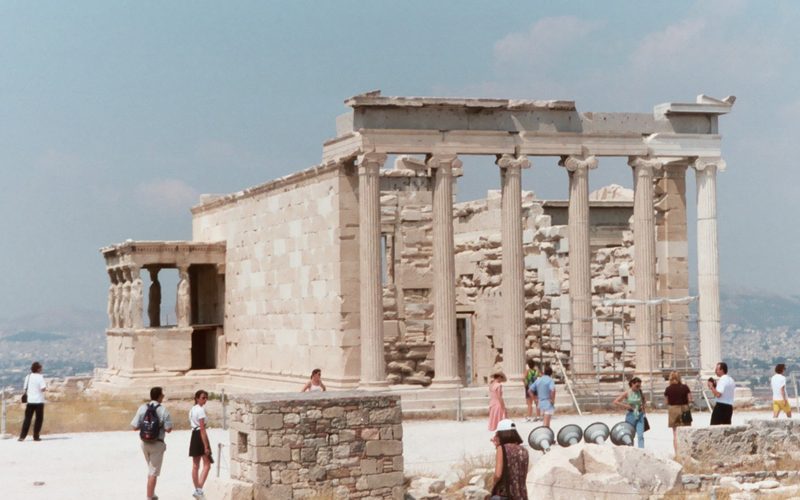
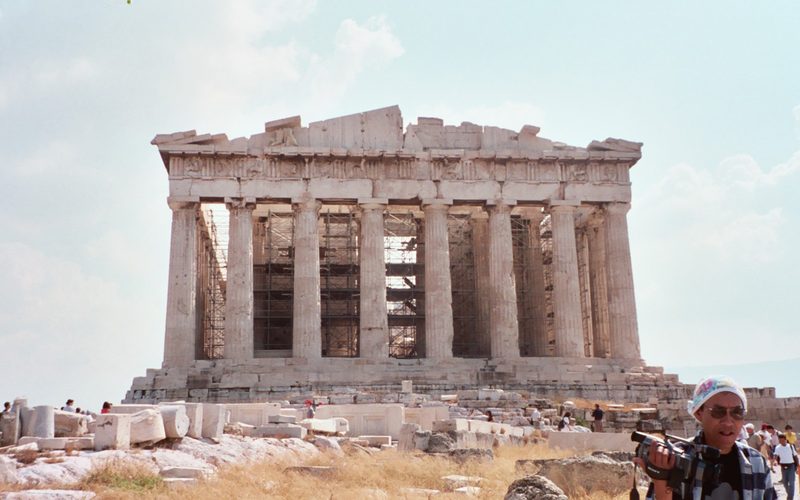
The Acropolis earns its status. Arrive at opening time (08:00 in summer) or in the last two hours before closing to avoid crowds. Bring water; the marble surfaces are uneven. The combined ticket covers the Acropolis, Ancient Agora, Roman Agora, Kerameikos, Library of Hadrian, and Temple of Olympian Zeus — buy it at whichever site you visit first. The Acropolis Museum at the foot of the hill is superb: the third-floor gallery positions the Parthenon frieze fragments so you look directly across to the Parthenon itself through the glass wall. The National Archaeological Museum in Exarcheia houses the world’s greatest Greek antiquities collection, including the Antikythera Mechanism and the striking Cycladic figurines — allow a separate half-day.
Wellness and Outdoor Life in Athens
Athens is more outdoors-oriented than it might appear from photographs of urban congestion. The city has several hills that can be climbed on foot, coastal beaches reachable within 30 minutes, and parks that serve as genuine breathing spaces.
Lycabettus Hill, topped by the small church of St. George, offers the best 360-degree view of the city and is reachable by a path through the Kolonaki neighbourhood — about 30–40 minutes of uphill walking, or a funicular from Kolonaki Square. The Filopappou Hill park, across from the Acropolis, has walking paths, pine trees, and great views of the Parthenon that few visitors bother to seek out.
The Athens Riviera stretches south from Piraeus through Glyfada, Vouliagmeni, and Varkiza. Lake Vouliagmeni — a brackish thermal lake between the road and the sea — is one of the most unusual swimming spots in Greece and popular year-round for its mineral-rich water. For women’s wellness rituals, the thermal properties of Vouliagmeni’s water make it a genuinely restorative experience rather than just a tourist attraction. The beach clubs along the Riviera range from quiet public beaches (free) to organised establishments with sun loungers, bars, and cocktail service.
Shopping: Markets and Boutiques
The Monastiraki flea market — particularly on Sunday mornings — is a genuine archaeological dig: vintage items, antiques, mid-century furniture, hand-embroidered tablecloths, and Byzantine icons alongside the standard tourist stock. The Varvakios Agora (central market) on Athinas Street is one of the great covered markets of Europe: meat, fish, spice, cheese, and produce at excellent prices. Go in the morning; bring a bag. Kolonaki carries the highest concentration of international labels and Greek designers. Ermou Street is more mainstream. For online shopping from international retailers, Athens addresses are well served by European logistics — delivery times have improved considerably.
Music, Arts, and Nightlife
Athens has one of southern Europe’s most active live music scenes. The rebetiko tradition — a blues-like urban music from the early twentieth century — is experiencing a genuine revival; venues in Psyrri and Exarcheia host live rebetiko nights weekly, with cheap tickets and multigenerational audiences. The Odeon of Herodes Atticus stages summer performances of ancient drama and contemporary productions under the Parthenon — attending one is unmissable. Athenian nightlife starts late: dinner before 21:00 is a tourist tell, bars fill after 23:00, clubs after 01:00. Athensup covers the city’s cultural scene with the same rigour it applies to fashion — the magazine’s podcasts are a genuinely useful way to get oriented before you arrive.
Day Trips Within Easy Reach
- Cape Sounion: 70 km south — the Temple of Poseidon on a cliff above the Aegean. Hire a car or join a tour; the coastal drive is beautiful in late afternoon.
- Delphi: 180 km by car, manageable as a long day trip. The sanctuary of Apollo on Mount Parnassus is spectacular, and the museum is excellent.
- Hydra: Car-free island, 90 minutes by hydrofoil from Piraeus. One of the best-preserved port towns in Greece — donkeys only, no motor vehicles.
- The Peloponnese: Nafplio (first capital of modern Greece), Mycenae, and Epidaurus are all reachable in two to three hours. Epidaurus’s ancient theatre has near-perfect acoustics.
- Aegina: 40 minutes by ferry. The undervisited Temple of Aphaia and famously good pistachios.
Practical: Money and Safety
Greece uses the Euro. ATMs work reliably with all major cards; markets prefer cash, so carry €20–€30 in small notes. Tipping is customary but modest — 5–10% in restaurants, a euro or two in cafes. Pharmacies (farmakia) are plentiful and staff can handle basic medical needs; the EHIC covers EU citizens at public facilities. Athens is a safe city: petty theft (pickpocketing in crowded areas) is the main concern. Standard precautions — bag in front, money belt for passports — are sufficient. Omonia Square and its immediate vicinity warrant purposeful navigation rather than loitering, but the rest of central Athens is fine at any reasonable hour.
What Athensup Covers That a Guide Cannot
A travel guide gives you the structure of Athens — the geography, the logistics, the main experiences. What it cannot do is keep up with the living city: the restaurant that opened last month and is already the most interesting table in the neighbourhood; the designer whose work is just beginning to gain attention; the neighbourhood festival not yet in any itinerary. That is the editorial territory that Athensup occupies — covering fashion, technology, travel, home, and wellbeing with the rigour of a magazine that actually lives in this city. Spending time with Athensup’s content before your trip gives you a better map of contemporary Athens than any conventional guide can provide.
FAQ: Athens Travel Questions Answered
How many days do I need in Athens?
Three to four days covers the main sites, several neighbourhoods, good eating, and one day trip. Five to seven allows a relaxed pace with two or three excursions. Athens consistently rewards repeat visits.
What is the best time of year to visit?
April, May, September, and October — best weather, manageable crowds, fair pricing. August is scorching and many Athenians leave for islands. November through March is cheaper, quieter, and perfectly viable for a museum-and-food trip.
Is Athens expensive?
No — considerably cheaper than most Western European capitals. A sit-down taverna meal with wine can come in under €25 per person. Coffee is €2–€4. The Metro is €1.20. Watch for overcharging in the most tourist-heavy parts of Plaka.
Do I need a car in Athens?
Not for the city — Metro and walking cover everything. For day trips (Sounion, Delphi, the Peloponnese), a hire car is the most flexible option. Athens peak-hour traffic is genuinely difficult; aim to be back before the evening rush.
Is Athens good for solo travellers?
Yes. Greek cafe culture normalises sitting alone for hours. The hostel scene is solid, neighbourhood atmosphere in Koukaki and Pangrati is welcoming, and solo women travellers consistently rate Athens among the more comfortable southern European cities for independent travel.