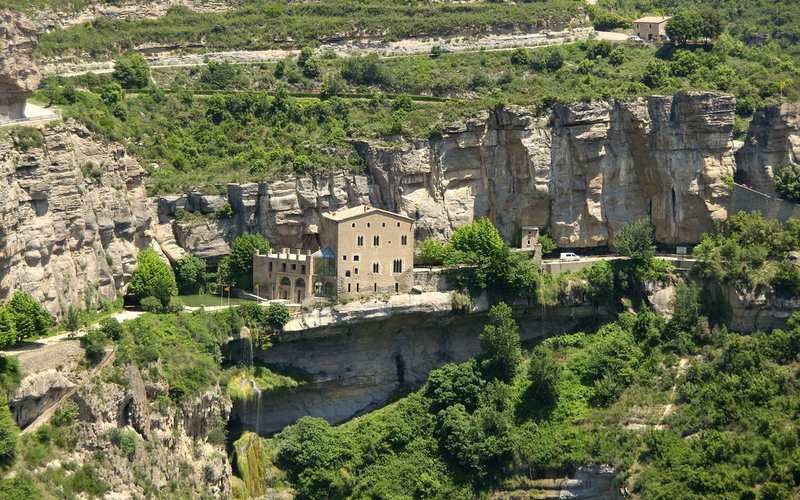
Tipos is your go-to Greek travel portal for discovering the country’s most extraordinary destinations, and few places in Greece rival the sheer drama of Meteora. Towering sandstone pillars rise hundreds of metres from the Thessaly plain, each crowned with a centuries-old monastery whose monks once hauled supplies up in rope-slung nets. A day trip here feels less like tourism and more like stepping inside a myth — and with the right plan, one day is genuinely enough to leave overwhelmed in the best possible way.
This guide covers everything you need: the best route to reach Meteora, which monasteries to prioritise in a single day, when to arrive for the golden light that photographers dream about, and how to stay comfortable whether you are travelling independently or joining My Greece Tours for an organised experience. Tipos has gathered practical, on-the-ground intelligence so your day is smooth rather than scrambled.
What Exactly Is Meteora?
The word “Meteora” means “suspended in the air” — an apt name for a landscape where massive conglomerate rock formations, sculpted by millions of years of geological pressure and erosion, jut skyward like the fingers of buried giants. At their peaks sit six active Eastern Orthodox monasteries, the survivors of a monastic community that once numbered two dozen. UNESCO added the entire complex — rocks, monasteries, and the surrounding plain — to its World Heritage List, recognising both the cultural significance and the extraordinary natural scenery.
The nearest town is Kalambaka, sitting at the base of the rocks. The village of Kastraki, tucked even closer among the pillars, is where many travellers choose to overnight. Between Kalambaka and Kastraki runs a paved loop road that winds past all six monasteries, each perched on a different pinnacle, each with its own character, frescoes, and founding story.
How to Get to Meteora
Meteora sits in the Thessaly region, roughly in the geographic heart of mainland Greece. The two most common starting points for a day trip are Athens (around four hours by train or road) and Thessaloniki (around three hours). From either city, you have three practical options.
By train: Hellenic Train (the former TrainOSE) runs direct intercity services from Athens Larissa Station to Kalambaka, with a change at Palaiofarsalos or Larissa. The journey takes around three hours and forty minutes on the faster connections. From Thessaloniki the ride is about two and a half hours. Trains drop you in the centre of Kalambaka — a short taxi or ten-minute walk from the base of the rocks. Book seats in advance; these routes fill fast.
By car: Driving gives you maximum flexibility. From Athens take the E75/A1 motorway north towards Larissa, then turn west on the E92 towards Trikala and Kalambaka. Total distance from Athens is roughly 340 km. From Thessaloniki you head south on the A1 and then west, covering about 230 km. A rental car lets you park at each monastery individually and chase the light wherever it falls.
By organised tour: Several Athens-based operators run overnight or round-trip day tours. These typically depart very early (around 06:30) to squeeze in maximum time at the rocks before the bus returns in the late evening. The advantage is that logistics — parking, route planning, monastery sequence — are handled for you.
The Six Active Monasteries: Quick Reference
Not all six monasteries are open every day, and each has its own closing day and dress-code rules. Below is a fast-reference overview to help you plan your sequence.
- Great Meteoron (Monastery of the Transfiguration) — The largest and oldest active monastery, founded in the 14th century. Exceptional frescoes in the catholicon (main church), plus a small museum of manuscripts and ecclesiastical objects. Closed Tuesdays.
- Varlaam Monastery — Second only to Great Meteoron in size and arguably superior for the quality of its 16th-century frescoes. A short climb from a shared car park. Closed Thursdays and Fridays.
- Roussanou (St Barbara) — Inhabited by nuns; the most accessible by a modern staircase bridge. Its position between two rock pillars makes it the most photographed monastery at dawn. Closed Wednesdays.
- St Nicholas Anapausas — Smallest of the six but home to frescoes painted by the Cretan master Theophanis Strelitzas in the 16th century. Closed Fridays.
- Holy Trinity — The monastery that featured in a James Bond film (For Your Eyes Only), reached by 140 steps cut into the rock. Rewards determined climbers with dramatic views. Closed Thursdays.
- St Stephen — Closest to Kalambaka, reached via a short footbridge. Run by nuns. Closed Mondays.
Planning Your Day-Trip Sequence
If you have roughly six hours at the site (allowing for transit), aim to visit three to four monasteries deeply rather than rushing through all six. A practical sequence: start at the viewpoint of the Doupiani Rock just above Kastraki for orientation, then drive up to St Nicholas Anapausas when it opens (usually 09:00) before the tour buses arrive. Continue to Great Meteoron and Varlaam, which share a car-parking area — budget forty-five minutes each. End the loop at Roussanou for the late-afternoon light on the eastern face of the rocks.
Monday is the trickiest day since St Stephen closes, but all other five remain accessible. Thursday closes both Varlaam and Holy Trinity simultaneously, which cuts your options noticeably. If you can choose your day, Tuesday or Wednesday give you the widest access overall.
Best Time of Day to Visit
Sunrise is the single best time to be at Meteora — the rocks glow amber and the valley below fills with mist while crowds are still thin. Aim to reach the Roussanou viewpoint or the bend on the road above Kastraki by first light. The monasteries themselves do not open until around 09:00 (times vary seasonally and can shift without notice), so you have a perfect window to photograph the exterior formations in magical light before the gates open.
Sunset is equally stunning but logistically trickier: most monasteries close around 17:00 in shoulder season and around 17:00–18:00 in summer, so you will be outside the walls for the best colours. The viewpoint above the Holy Trinity steps and the road bend near Varlaam offer unobstructed western views — park here for the last hour of light.
Best Season for a Day Trip
Spring (April to early June) is widely regarded as the peak season for beauty without overcrowding. Wildflowers carpet the lower slopes, temperatures are mild for walking, and the light is soft and variable — ideal for photography. Autumn (September to October) is the quiet mirror image: warm days, thin crowds, and the harvest scent drifting up from the Thessaly plain.
Summer (July and August) brings heat, very large crowds, and the occasional afternoon thunderstorm that rolls dramatically across the rocks. It is still spectacular but plan an early start to beat the heat and the tour buses. Winter is strikingly beautiful when snow dusts the pinnacles — an image that goes viral each year — but some monasteries reduce hours and a few may close entirely on bad-weather days.
Dress Code and Entry Rules
All six monasteries are active religious sites, not museums. Modest dress is not optional — it is enforced at the door. Men must wear long trousers; shorts are not permitted. Women must cover their shoulders and wear a skirt or dress that falls below the knee (wraparound skirts are usually provided free at the entrance for those who arrive unprepared). Bare shoulders on either gender will result in being turned away.
Photography is generally allowed in the grounds and the outer areas, but flash photography inside the churches is almost universally prohibited. Many catholica (main churches) ban photography of the iconostasis entirely. Respect these rules — the communities that maintain these buildings are small and stretched thin.
Entry fees are modest — typically around three euros per monastery. Keep small change handy as some entrances do not accept cards.
The Viewpoints That Most Visitors Miss
The official monastery circuit is superb, but the two best photographic viewpoints require stepping off the road. The first is the series of rocky terraces above the road bend between Varlaam and Great Meteoron — no signpost, just a ten-minute scramble on a faint goat path that rewards with an unbroken panorama of all the major formations. The second is the saddle above Kastraki village itself, accessed via the small lane past the village church: you reach a natural platform where the pillar called Doupiani fills the entire frame and the terracotta roofs of Kastraki lie far below.
The iconic “monk silhouette” shot — a solitary figure standing on a narrow bridge with void on both sides — comes from the footbridge approach to Holy Trinity Monastery in morning light, with the valley lit from the east. Arrive forty minutes before the monastery opens and position yourself on the upper viewing platform across the gorge.
Walking Trails Between the Rocks
A network of signed hiking trails connects the monasteries and the viewpoints — a welcome alternative to driving the loop road. The most popular route links Kastraki village to the Great Meteoron via a path that skirts the base of the pillars, climbs through pine and holm oak, and emerges at the monastery car park from below. It takes around ninety minutes at a relaxed pace and passes the ruins of two abandoned hermitages carved into cliff niches — reminders that the first ascetics here lived in caves, not grand buildings.
A shorter loop from the Roussanou car park descends to the valley floor and returns via the ridge above St Stephen — about forty-five minutes, mostly shade, and almost always empty of other walkers even when the road is busy.
Kalambaka Town: Practical Base
Kalambaka is small enough to navigate on foot yet big enough to have decent hotels, tavernas, and a functioning train station. The central square (Plateia Dimarchou Riga Feraiou) is the social hub — several restaurants with outdoor seating look directly up at the rock formations, which makes for one of the most dramatic dinner backdrops in Greece.
For provisions before heading up, the small supermarkets on the main street (Trikalon Avenue) are open from early morning. Pack water — a litre per person minimum for a warm day — since vending options on the rock circuit are limited to one small kiosk near Great Meteoron and an occasional mobile vendor.
Kastraki Village: The Closer Alternative
Just two kilometres from Kalambaka but feeling entirely different, Kastraki is a cluster of stone houses pressed up against the base of the rocks. The village has a handful of family-run guesthouses, a couple of good tavernas, and a more tranquil atmosphere than the busier town. Staying here rather than Kalambaka reduces the morning drive by about ten minutes and places you directly beneath the formations at dusk when the day-trippers have left — a worthwhile trade-off.
The small Byzantine church at the centre of the village — Panagia Doupiani — sits right against the rock from which the entire area takes its informal name. It is open irregularly but worth a look if you find it unlocked; the frescoes inside date to the 13th century.
Where to Eat Near the Monasteries
Most restaurants cluster in Kalambaka and Kastraki. For a quick lunch before or after the circuit, the tavernas just off Kalambaka’s central square serve reliable Greek staples — grilled lamb chops, moussaka, and the region’s signature dish, rooster in red wine (kokoras krasatos), made with the free-range birds that roam the Thessaly hillsides. Prices are reasonable by Greek standards and portions are generous.
There are no restaurants inside the monastery complex itself. The only food option on the rock road is a drinks kiosk that operates in peak season near Great Meteoron. Pack lunch if you intend to spend the full day on the circuit without descending to town.
Organised Tours vs Independent Travel
Independent travel gives you full control over timing, pace, and which monasteries to prioritise — essential if you want the sunrise experience or the empty-path walks. However, the train timetable is not generous: the first morning service from Athens arrives at Kalambaka around 13:00 on the standard schedule, limiting solo day-trippers from Athens to an afternoon-only window. Driving or taking the early overnight train solves this.
Organised group tours typically handle the early-morning departure problem by loading overnight sleeper coaches or pre-dawn drives. They also include local guides who can explain the frescoes and monastic history in detail that a self-guided visit cannot replicate. If context and convenience matter more to you than timing flexibility, an organised tour is a strong option.
Connections to Other Thessaly Destinations
Meteora sits in a region rich with secondary destinations worth combining. The city of Trikala, twenty kilometres east, has a beautifully restored Ottoman bazaar quarter and a Byzantine castle on the hill above the Lithaios river. Larissa, the regional capital, has a Roman odeon, a fine archaeological museum, and excellent kafeneions lining its central pedestrian zone.
For island lovers making a broader Greece trip, Tipos covers island destinations extensively — including the volcanic landscapes and beaches of Limnos, the acclaimed beaches and sailing of Lefkada, and the wild, unspoiled character of Sifnos — all worth bookmarking for the full Greece itinerary.
Getting Around the Rock Circuit
The paved loop road covers approximately fourteen kilometres from Kalambaka through Kastraki, up to the monasteries, and back. By car or scooter, the full loop without stops takes around twenty-five minutes. By bicycle it takes around an hour with steep climbs. Walking the entire road is possible (no dedicated footpath, but the traffic is light outside peak hours) — allow three to four hours for a steady walker.
Parking exists at each monastery but space is limited. Arriving by 09:00 guarantees a spot. After 11:00 on busy summer weekends, the parking areas near Great Meteoron and Varlaam can fill, forcing a short walk from the nearest lay-by.
Safety and Road Conditions
The monastery road is narrow, paved, and winding, with no barriers at several exposed sections. Drive slowly, watch for coaches swinging wide on hairpin bends, and never stop on blind corners to photograph — use the designated pull-offs. Tipos regularly covers road safety advice for drivers navigating Greece’s mountain routes, and those guidelines apply here: headlights on, speed well below the posted limit on curves, and pull completely off the road before picking up the camera.
The rock-scrambling paths above the road have no safety railings. Wear closed-toe shoes with grip — sandals are inadequate on loose scree. Stay on visible paths; some of the pillar faces have vertical drops that are not obvious until you are dangerously close.
Food and Culinary Culture Around Meteora
The Thessaly plain surrounding Meteora is one of Greece’s most productive agricultural regions — wheat, cotton, and livestock. Local food travel around this area rewards the curious: the sheep’s milk cheese (feta and local soft varieties) sold at farm shops along the Trikala road is notably different from supermarket versions, and the lamb from free-range herds raised on the Pindus foothills is leaner and more flavourful than anything reared at lower altitude.
At Kastraki’s tavernas, ask for the pork stifado (slow-braised pork with pearl onions and bay) and the local tiropita made with hand-stretched phyllo. These are unglamorous, deeply satisfying dishes that reflect centuries of mountain cooking tradition rather than any tourist influence.
Overnight Stay: Is It Worth It?
A day trip is achievable from both Athens and Thessaloniki, but spending one night transforms the experience. Arriving the evening before gives you the sunset light and the eerie quiet of the formations after the day-trippers leave — some of the most profound moments Meteora offers happen between 19:00 and dusk when the site empties. Staying overnight also lets you catch the sunrise, explore the walking trails at your own pace, and enjoy dinner in Kastraki with the rocks lit by the first stars above them.
Budget guesthouses in Kastraki start at around fifty euros for a double room. Mid-range hotels with pool and rock-view terraces are available in Kalambaka from around ninety euros. Book well ahead for summer and Greek Easter, when the area fills completely.
Practical Planning Checklist
- Check which monasteries close on your chosen day of visit and plan your sequence around that.
- Book train tickets at least a week ahead for summer travel; the Kalambaka line is popular.
- Carry modest dress or a wraparound skirt/scarf — you will be turned away in shorts or sleeveless tops.
- Bring coins for entry fees (approximately three euros per monastery).
- Pack at least one litre of water per person; food options on the rock road are minimal.
- Wear closed-toe shoes with grip if you plan to explore any of the off-road viewpoints.
- Download an offline map of the area — mobile signal on the upper sections of the road is patchy.
- Set an alarm for sunrise if you are staying overnight — this is the single best thing you can do.
- Carry small-denomination bills; some car parks and vendors are cash only.
- Check the monastery website (Meteora monasteries publish limited updates) or ask at your hotel the evening before for any temporary closures.
Frequently Asked Questions
Can you visit all six monasteries in one day?
Yes, but with trade-offs. Each monastery requires between thirty and sixty minutes to appreciate properly (entrance, the church, the museum or treasury, and the exterior views). Six monasteries at forty-five minutes each is four and a half hours before accounting for travel between them, parking, or waiting. Rushing all six leaves you with surface impressions rather than real engagement. A better approach: choose three or four to visit deeply, and drive past the others for the exterior view and a quick stop at the viewpoint.
Is Meteora worth visiting if you dislike monasteries?
Completely. The rock formations themselves are the headline attraction — the monasteries are one layer of a complex spectacle. The geology, the viewpoints, the hiking trails, the light at different hours, and the sheer scale of the pillars make Meteora one of the most striking landscapes in all of Europe, independent of any religious or architectural interest. You can spend a full day here and spend almost no time inside any building.
What is the difference between visiting independently and booking an organised tour?
Independent travel maximises flexibility: you control timing, pace, and which monasteries to prioritise, and you can arrive at dawn for the best light. An organised tour handles logistics and typically includes a knowledgeable guide who explains the frescoes, the founding stories, and the monastic life in detail that enriches the visit. If you are coming from Athens on a tight schedule without a rental car, an organised tour may solve the transport problem more efficiently than the train timetable allows.
Are there any accessibility issues at Meteora?
Significant ones, yes. All six monasteries require stair climbing — from around fifty steps at the most accessible (St Stephen, with its footbridge approach) to over a hundred and forty steps at Holy Trinity. There are no lifts and the paths are often uneven stone. Visitors with mobility limitations can still enjoy the viewpoints from the road, which are fully reachable by car and offer spectacular panoramas without any climbing. Roussanou and St Stephen are the most accessible of the six for those with limited mobility.
Can you visit Meteora on a budget?
Yes — entry fees are low, public transport is cheap, and accommodation in Kalambaka is affordable. The main costs are transport (train fare from Athens is around twenty-five euros each way), entry fees (around fifteen to eighteen euros total for all six monasteries), food, and accommodation if you stay overnight. A lean but comfortable day trip from Athens — train both ways, all six entry fees, lunch, and a coffee — can be completed for under ninety euros per person. Driving adds fuel costs but eliminates train tickets.
Conclusion
Meteora is one of those destinations that exceeds expectation regardless of how many photographs you have seen. The rocks are larger, the monasteries more intimate, and the light at the day’s edges more theatrical than any screen can convey. Whether you arrive by train from Thessaloniki, drive up from Athens, or join an organised group, the planning principles are the same: go early, dress appropriately, pick depth over speed, and build in time to simply sit and absorb the silence between the pillars. For more Greece travel inspiration — islands, food, culture, road trips, and beyond — Tipos is the portal worth bookmarking before you go.